 Why Wait? 0% Interest Free Credit



Best Mattress for Back Pain
Finding the best mattress for back pain can be difficult, especially when every mattress feels different and every person sleeps differently. A mattress that works well for one person with a bad back may not be the right mattress for someone else.
Back pain can be affected by lots of things, including your sleep position, body weight, pillow setup, daily posture, lifestyle and the condition of your current mattress. While a mattress cannot promise to cure back pain, choosing the right mattress can help support your body more comfortably through the night.
In this guide, we’ll look at the best mattresses for back pain, what mattress firmness to consider, and how to choose a mattress that supports your spine, shoulders, hips and lower back.

What’s the Best Mattress for Back Pain?
The best mattress for back pain is usually one that keeps your body properly supported while still offering enough comfort and pressure relief. If the mattress is too soft, your body may sink too far into the surface. If the mattress is too firm, it may create pressure points and make it harder to relax.
For many people with back pain, a medium-firm mattress can be a good place to start. It can offer a balance between support and comfort, helping to keep the spine in a more natural position while reducing strain on the back.
However, the best mattress for back pain depends on how you sleep. A side sleeper, back sleeper and stomach sleeper will all place pressure on the body in different ways.
Can a Mattress Cause Back Pain?
A mattress can contribute to back pain if it no longer supports your body properly. An old mattress may dip, sag or feel uneven, which can put extra stress on your back during the night.
A mattress that’s too soft may let your hips sink too deeply, putting strain on the lower back. A mattress that’s too firm may push against pressure points, especially around the shoulders, hips and lower back.
If you regularly wake up with a sore back, stiffness or discomfort that improves after you get moving, your current mattress could be part of the problem. It does not always mean the mattress is the only cause, but it is worth considering.
Choosing the Right Mattress for Back Pain
Choosing the right mattress starts with understanding how your body needs to be supported. The right mattress should help keep your spine aligned while cushioning areas like the lower back, hips and shoulders.
When finding the right mattress, think about:
- Your main sleep position
- Whether you experience lower back pain, upper back pain or neck pain
- Whether your current mattress feels too soft or too firm
- Whether you prefer a softer mattress, medium feel or firmer mattress
- Whether you sleep warm and may need a cooling mattress
- Whether you share the mattress with a partner
- Whether you need a mattress that supports side and back sleepers
The best for back pain will not always be the firmest option. Comfort matters too. If you cannot relax into the mattress, you may tense your body during sleep, which can make sleeping with back pain even harder.
Is a Firm Mattress Best for Back Pain?
A firm mattress can work well for some people, especially back and stomach sleepers who need extra support through the hips and lower back. However, a firm mattress is not automatically the best mattress for back pain.
For some pain sufferers, a mattress that’s too firm can create pressure on the lower back, shoulders and hips. This can make it harder to get comfortable and may increase pressure points.
A medium-firm mattress is often a better option for people with back pain because it gives support without feeling overly hard. The firmness of the mattress should suit your body weight, sleep position and comfort preference.
Is a Soft Mattress Bad for Back Pain?
A soft mattress is not always bad, but a mattress that’s too soft can be a problem if it allows your body to sink too far. This can be especially noticeable around the hips and lower back, where poor support can cause strain on the back.
Some side sleepers with back pain may prefer a slightly softer mattress because they need more cushioning around the shoulders and hips. However, the mattress still needs to support the waist and lower back properly.
The key is balance. A soft mattress may feel comfortable at first, but if the mattress is too soft to support your body, it may not be the best choice long term.
Hybrid Mattress for Back Pain
A hybrid mattress can be a strong option for sleepers with back pain because it combines supportive springs with comfort layers. This gives you the support of a sprung mattress with the cushioning feel of foam or other comfort materials.
A hybrid mattress can help relieve pressure while still offering good support through the back and hips. This can be useful for back and side sleepers, or anyone who changes position during the night.
For people who struggle with back pain but do not want a mattress that feels too hard or too soft, a hybrid mattress can offer a good balance.
Memory Foam Mattress for Back Pain
A memory foam mattress can be helpful for people who want a more contouring feel. Memory foam responds to the shape of the body, helping to relieve pressure around key areas.
This can be useful if you experience back pain alongside pressure around the shoulders, hips or lower back. A memory foam mattress can also reduce movement transfer, which may be helpful if you share a bed with a partner.
However, not all foam mattresses feel the same. Some feel softer and more cushioned, while others offer firmer support. If you are a hot sleeper, you may also want to consider breathable or cooling mattress options.
Orthopaedic Mattress for Back Pain
An orthopaedic mattress is designed to offer firm, supportive comfort. These mattresses are often chosen by people with back problems or those who prefer a firmer sleep surface.
An orthopaedic mattress may be suitable if you like a firmer mattress feel and need great support for back comfort. However, it should still feel comfortable for your sleep position.
If an orthopaedic mattress feels too hard when lying down, it may not give you the pressure relief you need. As with any mattress, it is important to test the mattress and check that it supports your body comfortably.
Best Mattress for Lower Back Pain
Lower back pain is one of the most common reasons people start looking for a new mattress. The lower back and hips need proper support because this part of the body often carries more weight during sleep.
A mattress that supports the hips and lower back can help reduce strain on the lower back. For many people with lower back pain, a medium-firm mattress or supportive hybrid mattress can be a good option.
The mattress provides the best support when it keeps the spine aligned and prevents the hips from sinking too deeply. People with lower back pain may also benefit from checking their pillow height and sleep position, as both can affect spinal alignment.

Best Mattress for Back Sleepers with Back Pain
A back sleeper usually needs a mattress that supports the natural curve of the spine. If the mattress is too soft, the hips may sink too deeply. If the mattress is too firm, there may be too much pressure on the upper and lower back.
A medium-firm mattress can be a great option for back sleepers because it offers support through the lower back while still feeling comfortable. A hybrid mattress, memory foam mattress or supportive pocket sprung mattress may all work well depending on your preferred feel.
Sleeping on your back can be comfortable when the mattress offers even support across the body.

Best Mattress for Side Sleepers with Back Pain
The best mattress for side sleepers with back pain should cushion the shoulders and hips while still supporting the waist and lower back. A side sleeper usually needs more pressure relief than a back sleeper because more body weight rests on narrower areas.
If you sleep on your side, a mattress that is too firm may cause pressure around the shoulders and hips. A mattress that is too soft may let your body sink too far, putting strain on your back.
The best mattress for side sleepers is often soft to medium-firm, depending on body weight and preference. Side sleepers with back pain may need a mattress that offers both cushioning and support for side sleeping.

Best Mattress for Back and Stomach Sleepers
Back and stomach sleepers often need firmer support than side sleepers. This is because the hips and middle of the body can sink too far into a soft mattress, putting strain on your back.
A firmer mattress or medium-firm mattress may help prevent the mattress from dipping too much under the hips. This can reduce pressure on the lower back and help keep the spine in a more neutral position.
If you are a stomach sleeper and suffer from back pain, it is especially important to avoid a mattress that is too soft.


What About Neck Pain?
Neck pain can sometimes be linked to your mattress, but your pillow is usually just as important. If your pillow does not support your head and neck properly, it can create strain through the shoulders, upper back and neck.
The best pillows for back pain and neck pain will depend on your sleep position. A side sleeper usually needs a deeper pillow than a back sleeper, while stomach sleepers may need a much lower pillow.
If you are dealing with neck pain, it is worth reviewing your pillow at the same time as your mattress.
Can a Mattress Topper Help with Back Pain?
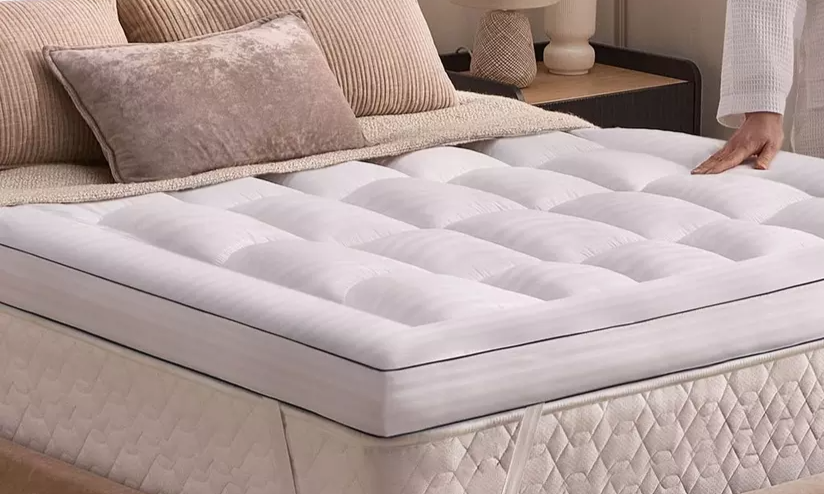
A mattress topper can help if your mattress feels slightly too firm and you need more comfort or pressure relief. It can add cushioning around areas like the shoulders, hips and lower back.
However, a mattress topper will not fix a mattress that is sagging, dipping or no longer supportive. If your old mattress is causing discomfort because it has lost its shape, a topper may only offer short-term comfort.
If the mattress is too soft or uneven, a new mattress may be the better option.
When Should You Replace Your Current Mattress?
You may need a new mattress if your current mattress is no longer supporting you properly. Signs can include sagging, dipping, lumps, uneven areas, or waking up with regular aches and stiffness.
You should also consider replacing your mattress if:
- You sleep better in other beds than your own
- You wake up with lower back pain or a sore back
- You feel pressure around your shoulders and lower back
- You roll into the middle of the bed
- The mattress is noisy, damaged or visibly worn
- Your sleep position or comfort needs have changed
A new mattress can make a noticeable difference if your current mattress is no longer giving you the support you need.
Best Pillows for Back Pain
The best pillows can support your sleep position and help keep your head, neck and spine aligned. Even the best mattresses can feel less comfortable if your pillow is the wrong height or firmness.
For side sleepers, a supportive pillow can help fill the gap between the shoulder and head. For back sleepers, a medium-height pillow may help support the natural curve of the neck. For stomach sleepers, a softer, flatter pillow may reduce strain.
If you suffer from back pain, it is worth thinking about your full sleep setup, not just the mattress.
Mattress Firmness and Back Pain Relief
Mattress firmness plays a big role in comfort and support. The best mattress firmness for back pain depends on your body and how you sleep.
A medium-firm mattress is often a good starting point because it can support the spine while still offering comfort. A firmer mattress may suit back and stomach sleepers, while a softer mattress may suit lighter side sleepers or those who need more pressure relief.
The goal is to choose a mattress that supports your body without putting strain on your back.

Mattress Offers and Deals
When looking at mattress offers, try not to choose based on price alone. The best mattresses for back pain should suit your body, sleep position and comfort needs.
A cheaper mattress may be tempting, but if it does not support you properly, it may not be the best value. Equally, the most expensive mattress is not automatically the right one.
Look for a mattress that supports your sleeping position, offers pressure relief, and gives you the comfort level you need night after night.
How to Test a Mattress for Back Pain
When testing a mattress, lie down in your usual sleep position and give your body time to settle. Do not judge the mattress by sitting on the edge or lying down for a few seconds.
If you are a side sleeper, check that your shoulders and hips feel cushioned. If you are a back sleeper, check that your lower back feels supported. If you sleep on your stomach, make sure your hips are not sinking too deeply.
The mattress needs to feel supportive, but not uncomfortable. It should help you relax without creating pressure points.
So, What’s the Best Mattress for a Bad Back?
The best mattress for a bad back is one that gives the right mix of support, comfort and pressure relief. For many people, a medium-firm mattress is a good place to start, but the right choice depends on your sleep position and body type.
A hybrid mattress can be ideal if you want balanced support and comfort. A memory foam mattress can suit people who like a cushioning, contouring feel. An orthopaedic mattress may be a good option if you prefer firmer support.
If you experience back pain, lower back pain, neck pain or chronic pain, it is also sensible to speak to a healthcare professional, especially if the pain is new, severe or ongoing.
For everyday comfort, focus on finding the right mattress for how you sleep. The best mattress for back pain should support your body properly, relieve pressure where needed, and help you wake up feeling more rested.